






Following the China-US Kuala Lumpur Economic and Trade Consultations and the bilateral summit between the heads of state in Busan, there have been clear signs of easing in bilateral trade relations. According to the latest statements released by China and the United States, the US side decided to revoke the 10% fentanyl-related tariff and suspend the implementation of the reciprocal 24% tariff for one year.
Meanwhile, the 50% look-through rule will be put on hold. The US will suspend the 301 investigation and related measures targeting China’s maritime, logistics and shipbuilding industries for one year.
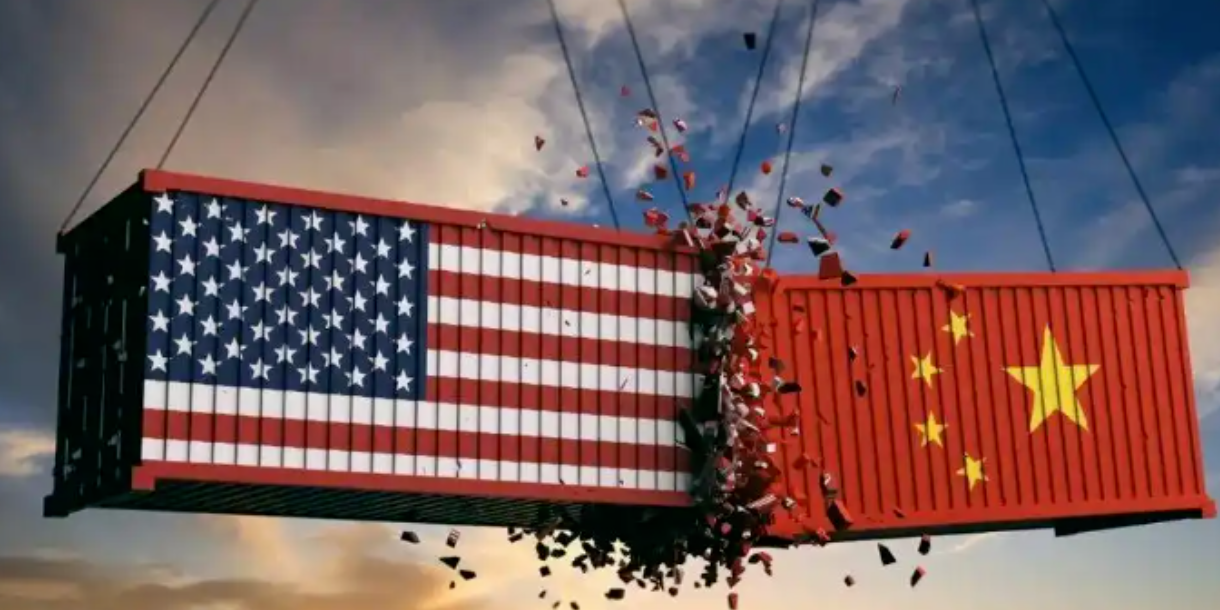
In response, China has also suspended some countervailing tariffs, halted additional duties on certain US agricultural products, and deferred previously announced export control measures for one year. The synchronized concessions made by both sides in specific sectors suggest that the years-long trade tug-of-war may be entering a truce window.
The Nexperia Incident in the Netherlands Highlights the Core of Gameplay
At the same time, the dispute over Nexperia of the Netherlands continues to escalate. Previously, the Dutch side invoked the US 50% look-through rule to block the supply of wafer raw materials from Chinese-controlled entities to packaging and testing factories located in China. China then adopted targeted countermeasures: export controls were imposed on Nexperia’s production operations in China, trapping the firm in a dilemma of "having chip designs but no finished products", while China tightened rare earth export restrictions against the Netherlands.
Although these two incidents appear separate, they point to the same trend: China’s approach to trade and tech competition is shifting from reactive countermeasures to law-based, refined and strategic governance. Export controls have become a vital policy instrument for China to safeguard its interests and stabilize global supply chains.
Export Controls: From Emergency Countermeasures to Strategic Tools
Since the start of this year, the United States has continuously expanded export restrictions on China, seeking to impose a blockade in high-end technology sectors. In response, China rolled out new regulations in October to enforce export controls on strategic items including superhard materials, rare earth processing equipment and high-end lithium batteries, and added multiple Western enterprises to the Unreliable Entity List. Foreign media commented that this marks China’s transition from a "defensive player" to an active shaper. Its control over critical minerals and strategic materials is reshaping the landscape of global supply chains.