-
Mobile Version
Scan with Mobile
- Member Center
Foreign Engineering
Ⅰ. Project Overview and Background
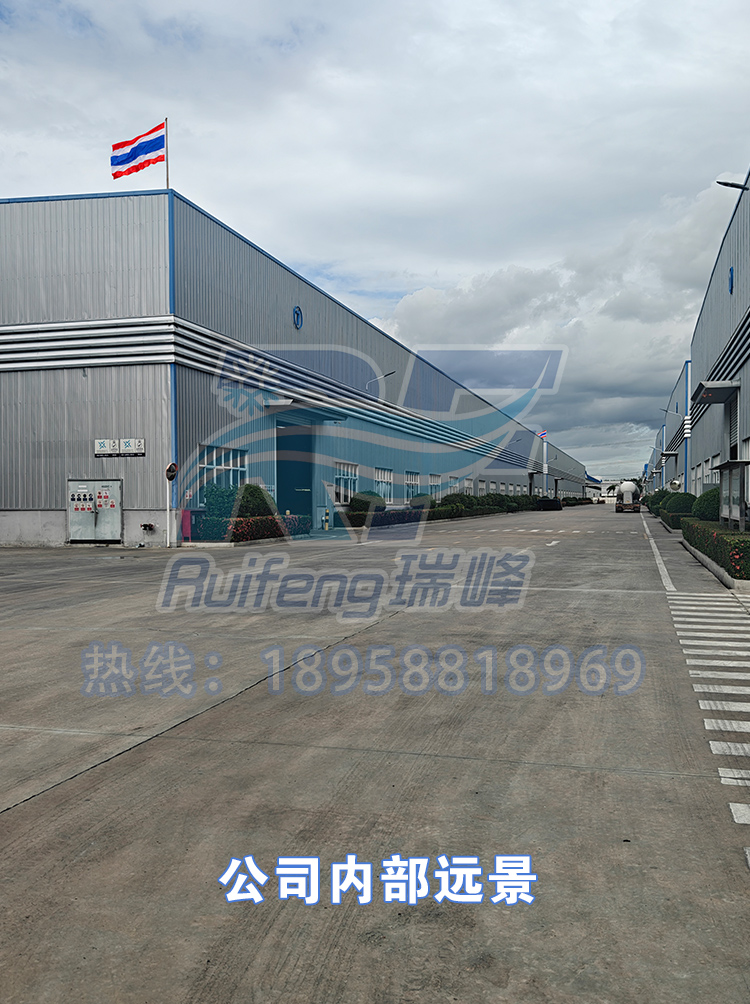
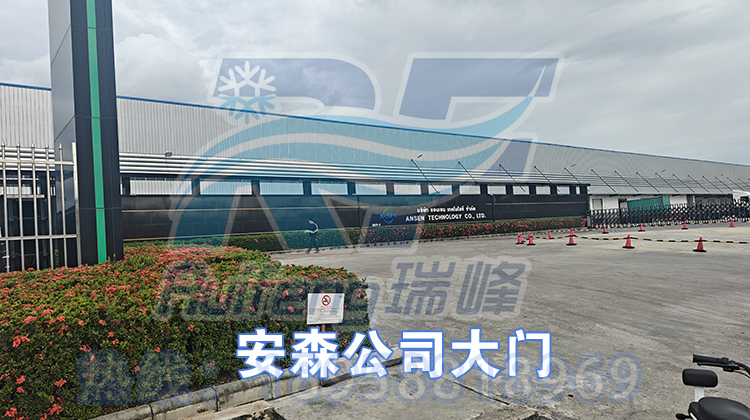
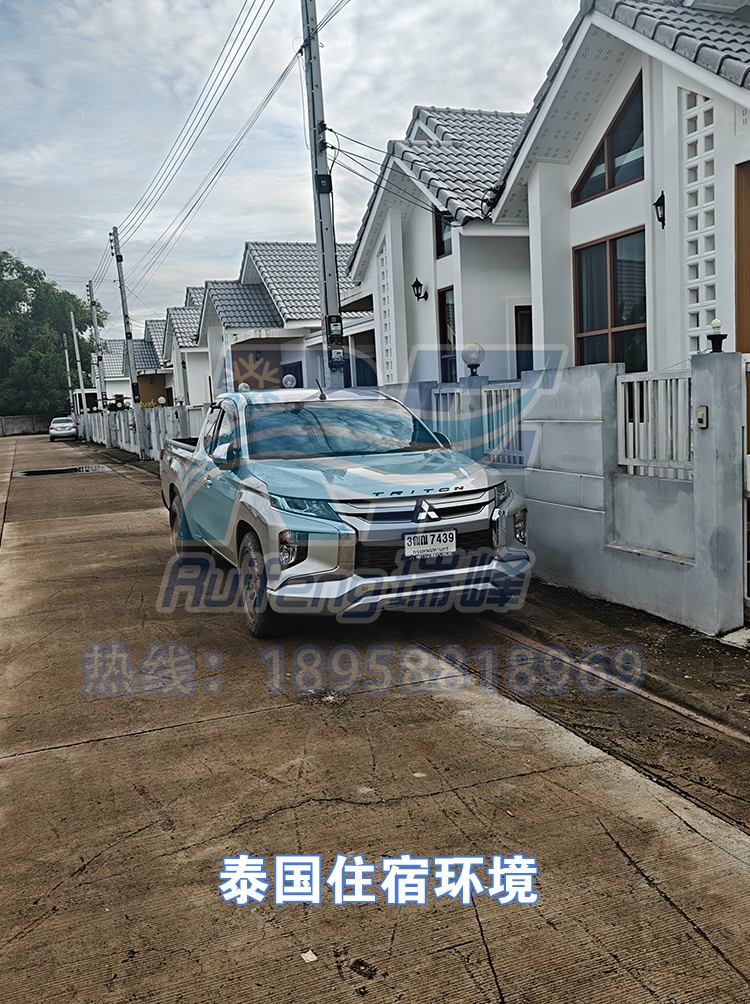
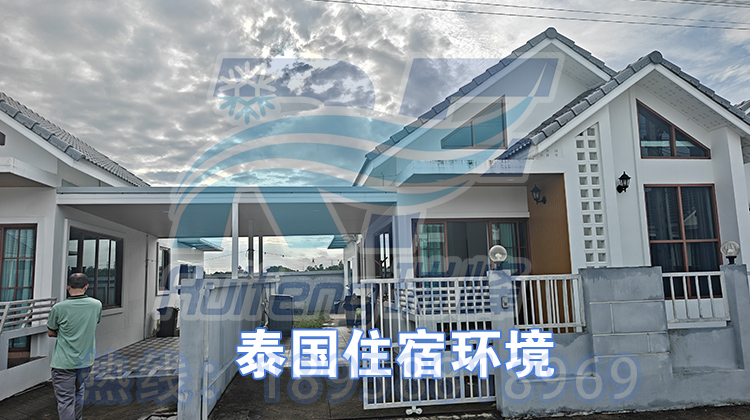
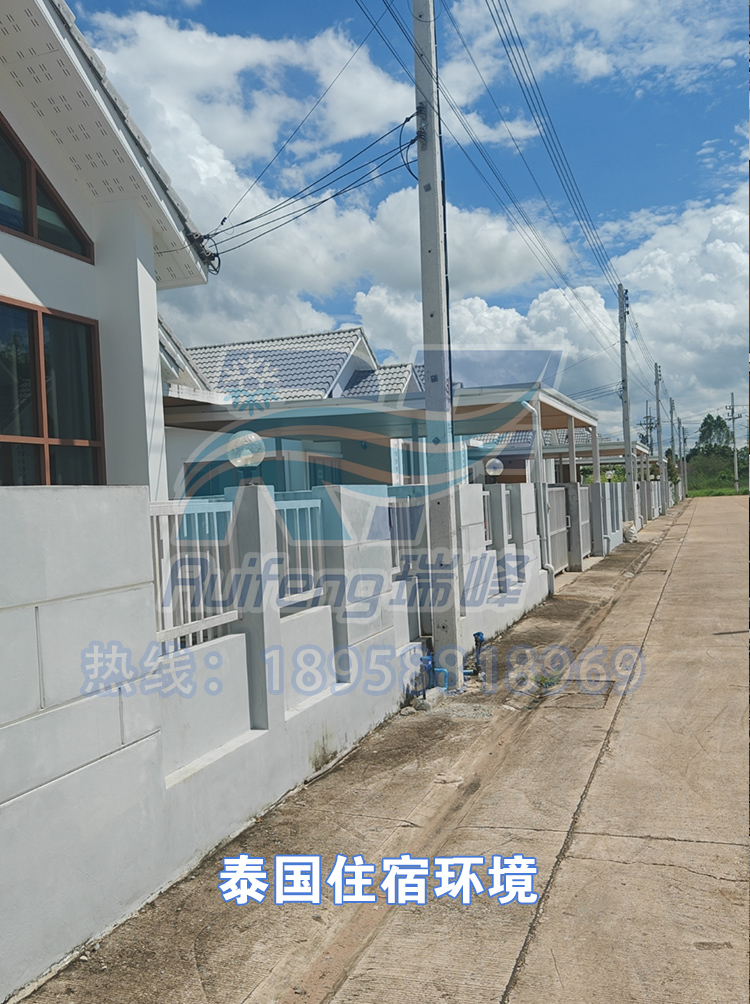
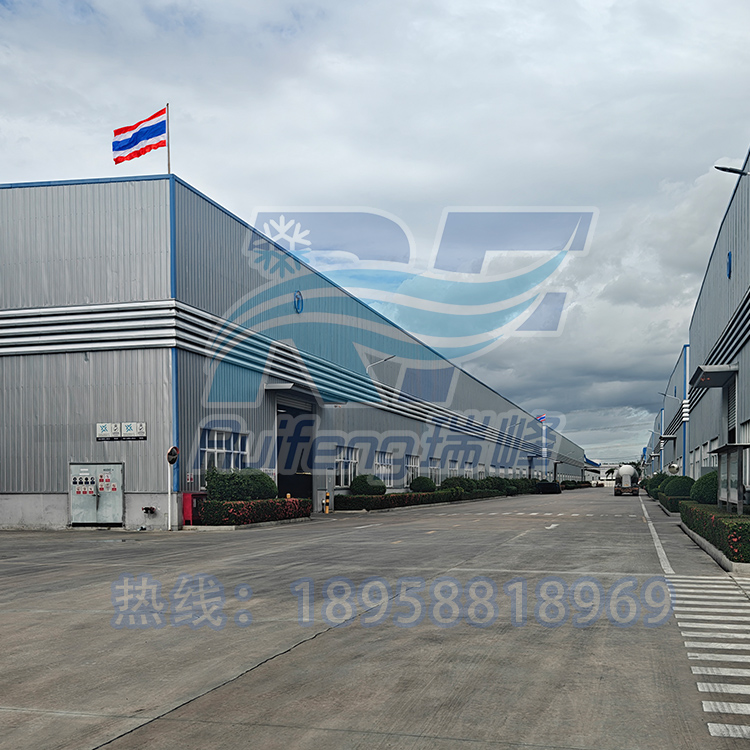
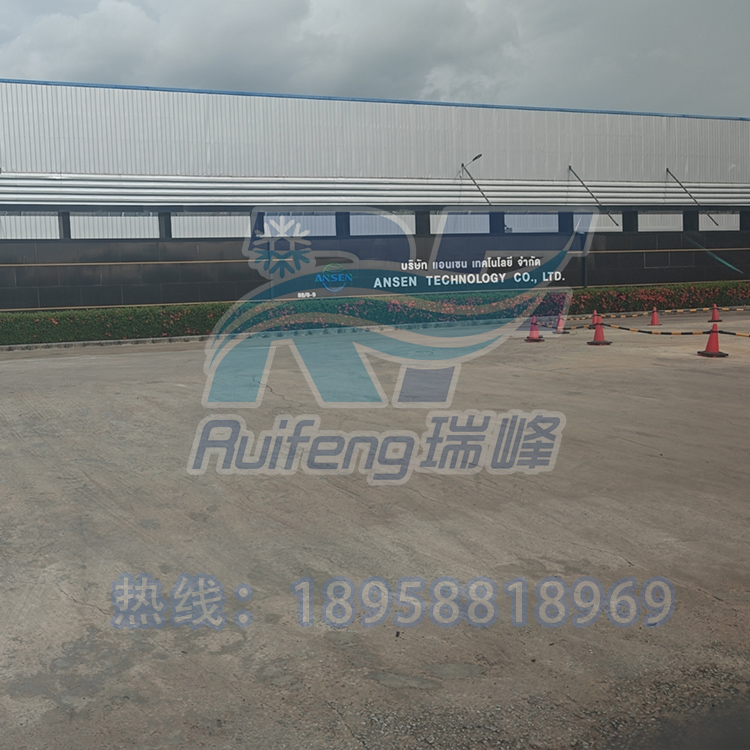
This project is located in the suburbs of Bangkok, Thailand, and serves ANSEN TECHNOLOGY CO., LTD. (Thai: บริษัทแอนเซนเทคโนโลยีจำกัด). The company is primarily engaged in the trade and distribution of electronic components, semiconductors, and related technology products, serving local manufacturing enterprises and technology companies in Thailand. It is an important link in the Southeast Asian electronics supply chain.
Bangkok has a tropical monsoon climate, characterized by high temperatures and humidity throughout the year, with an average annual temperature of about 28-32℃ and a relative humidity often reaching 70%-90%. In such a hot and humid environment, temperature and humidity control in the storage environment is particularly crucial, especially for the storage of electronic components - temperature fluctuations and high humidity can easily lead to component oxidation, electrostatic accumulation, performance degradation, and even scrap. Therefore, Anson Technology has set extremely high requirements for the environmental stability of its storage center.
II. Characteristics and Challenges of Warehousing Environment
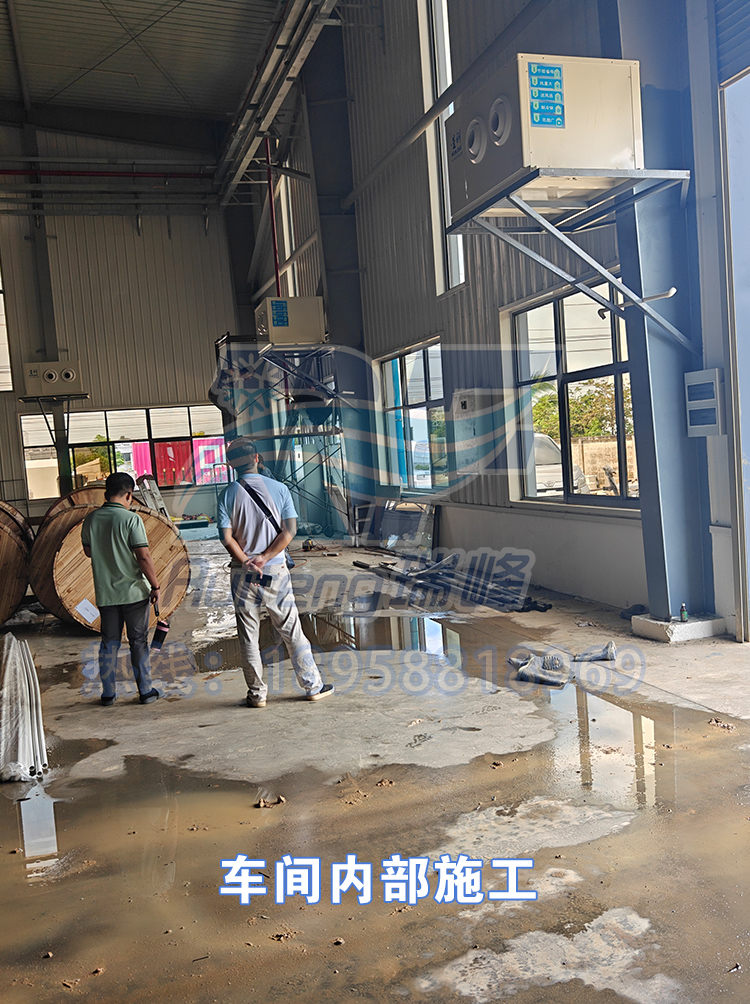
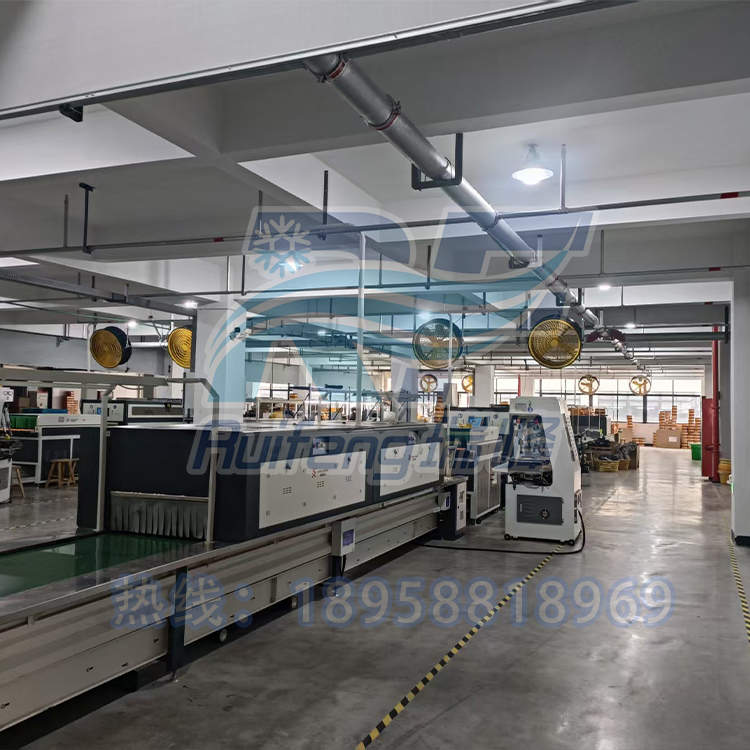
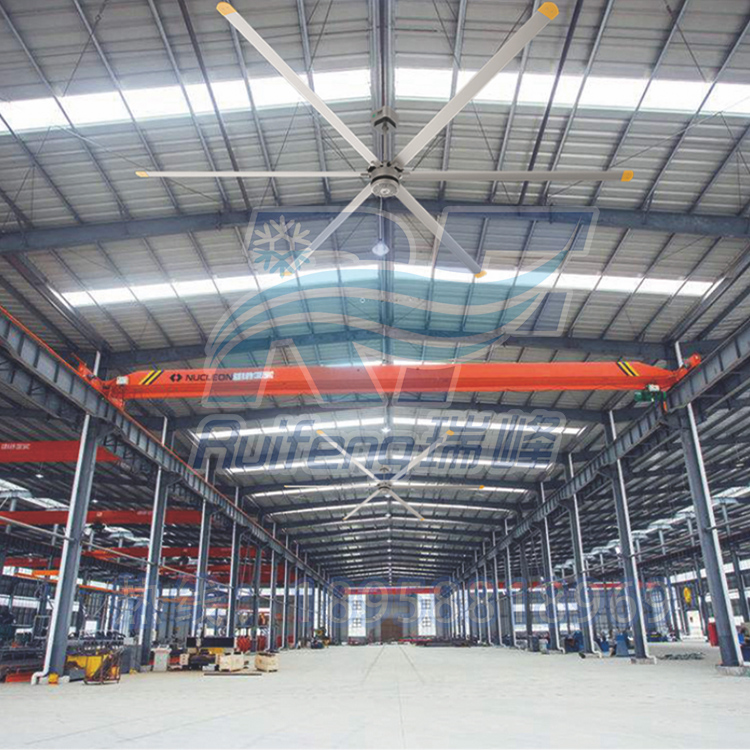
The warehousing and logistics center comprises over ten large warehouses, each spanning approximately 4,000 square meters and standing at a height of 15 meters. The main structure features a color steel roof and brick walls. Despite the installation of thermal insulation materials on the roof, high-temperature areas are still prone to form inside the warehouses under tropical sunlight. Coupled with the spacious and lofty interior and slow air circulation, traditional ventilation equipment struggles to achieve uniform cooling.
The storage environment for electronic products must meet the following conditions:
1. Temperature: Typically, it is required to be between 22-26℃, with a fluctuation range not exceeding ±2℃;
2. Humidity: It needs to be controlled at 45%-60%RH to prevent condensation and static electricity;
3. Air cleanliness: Prevent dust adhesion and reduce component contamination.
In addition, some areas in Thailand face power supply shortages, and infrastructure is still under development. How to achieve efficient and stable environmental control with limited power resources has become the core challenge of this project design.
III. Ruifeng's Customized Solutions
Based on on-site investigation and multi-dimensional analysis, the Ruifeng technical team comprehensively considered:
1. Climate and building structure: Considering the tropical climate characterized by high temperature and humidity, as well as the characteristics of large and high spaces, calculate the cooling load and air supply distance, and optimize the airflow organization;
2. Product environmental rigor: Considering the temperature and humidity sensitive requirements of electronic warehousing, enhance dehumidification and precise temperature control capabilities;
3. Local energy conditions: To align with Thailand's grid voltage and frequency standards and address the current power shortage, energy-saving configurations are adopted to reduce operating costs.
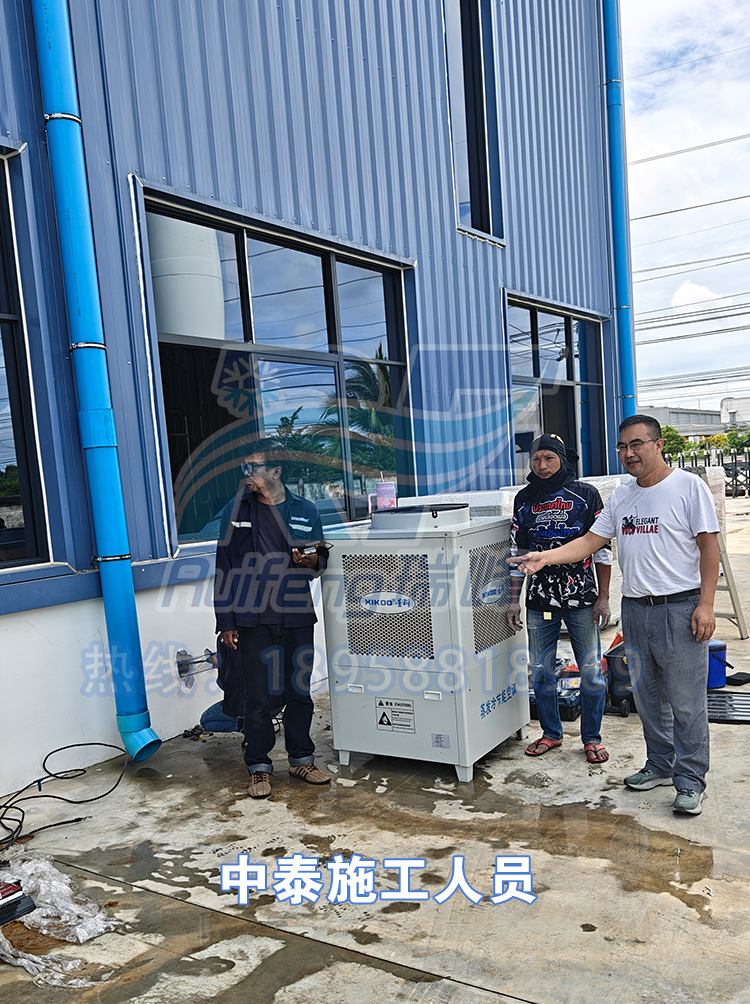
The final solution is determined as: a customized horizontal jet dehumidification evaporative cooling energy-saving industrial air conditioning system. This equipment integrates evaporative cooling and forced dehumidification technology, achieving uniform temperature drop inside the warehouse through long-distance jet air supply, while stably controlling the humidity within the process requirements. The unit is compatible with local voltage specifications and features low energy consumption, long air supply distance, and easy maintenance, making it particularly suitable for long-term operation in areas with limited power resources.
IV. Project Implementation and Achievements
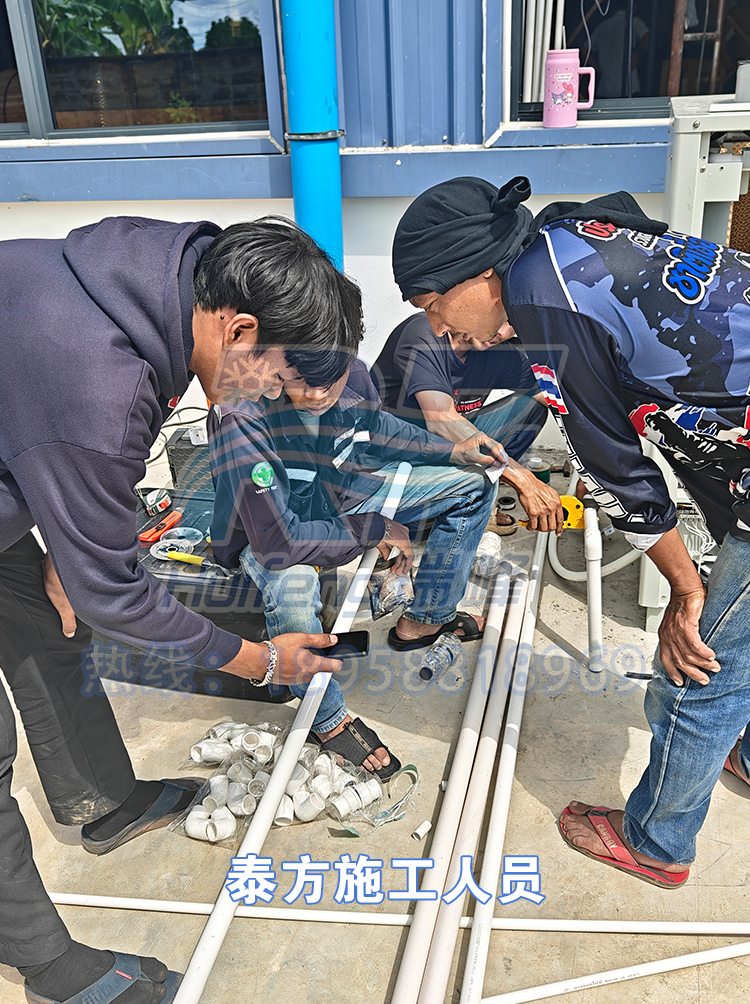
After the system was installed and debugged, the temperature inside the warehouse was stably maintained at 24-26℃, and the humidity was kept at 50%-55%RH, fully meeting the storage standards for electronic components. The owner provided positive feedback, stating that not only were environmental control objectives achieved, but the monthly electricity bill was also reduced by approximately 40% compared to traditional air conditioning. Additionally, the equipment operated smoothly and was easy to maintain.
This collaboration has further enhanced the supply chain efficiency of Anson Technology in Thailand and has become one of the benchmark cases for Ruifeng in the Southeast Asia region.
Ⅴ. Industry Outlook and Regional Value
The current Southeast Asian region, just like China's industrial start-up stage more than 30 years ago, has rapidly developed manufacturing and logistics industries, but faces common challenges such as insufficient infrastructure, lack of professional technology, and limited energy allocation. Especially in humid and hot climates, the demand for ventilation and cooling in various factories and storage centers is becoming increasingly prominent.
Ruifeng, with its accumulated technology and experience in the field of industrial environmental control in China, is pushing efficient, energy-saving, and adaptable solutions to the Southeast Asian market. We are willing to use the mature equipment and engineering technology of "Made in China" to help local industries improve their environmental management level and achieve sustainable development.