-
Mobile Version
Scan with Mobile
- Member Center
Foreign Engineering
1. Project background and environmental analysis
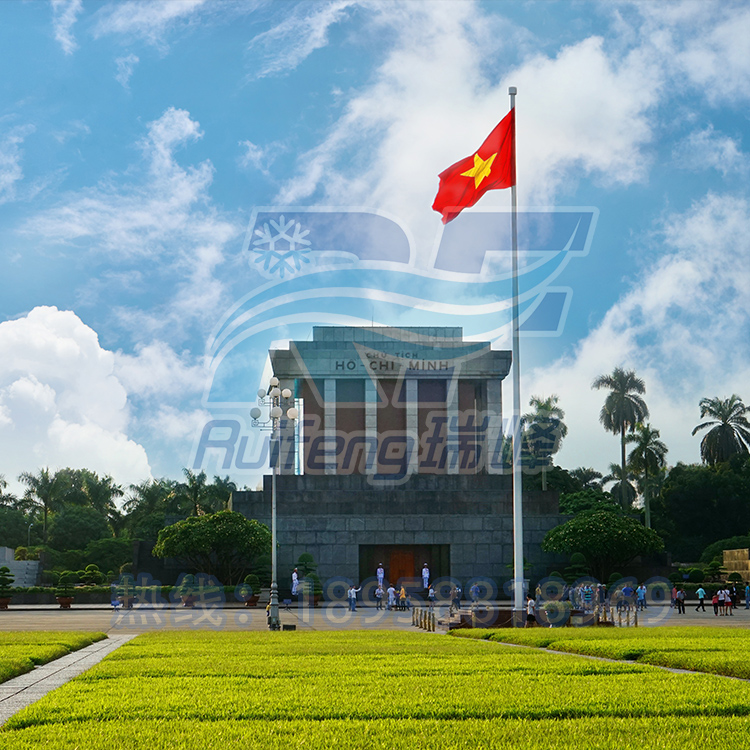
The shoe factory is located in the suburbs of Hanoi, Vietnam, which falls within the tropical monsoon climate zone. The region experiences high temperatures and abundant rainfall throughout the year, with an annual average temperature ranging from 23-28℃ and temperatures surpassing 35℃ in summer. The humidity levels are often high, creating a stifling and humid working environment that significantly impacts worker efficiency and health. Vietnam, as a crucial recipient country for global manufacturing relocation, collaborates closely with China's industrial chain, particularly in labor-intensive sectors such as textiles, footwear, and apparel. Chinese equipment, technology, and solutions are aiding in the local industrial upgrading.
The shoe factory has begun to take shape locally, boasting a complete production process for sneakers that covers cutting, sewing, molding, bonding, sole pressing, finishing, packaging, and other links. It has provided a large number of jobs for the local area and is a typical labor-intensive manufacturing enterprise.
2. Plant structure and cooling challenges
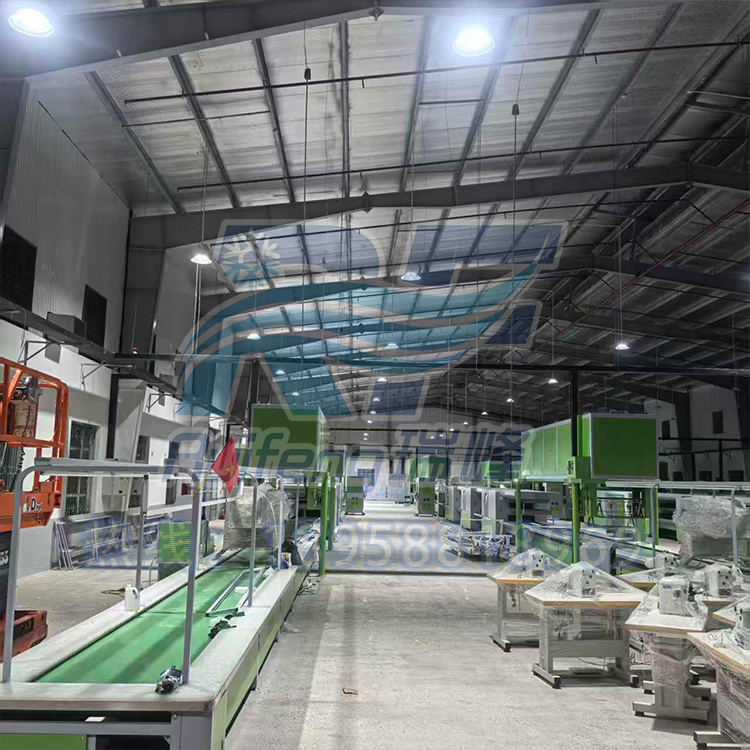
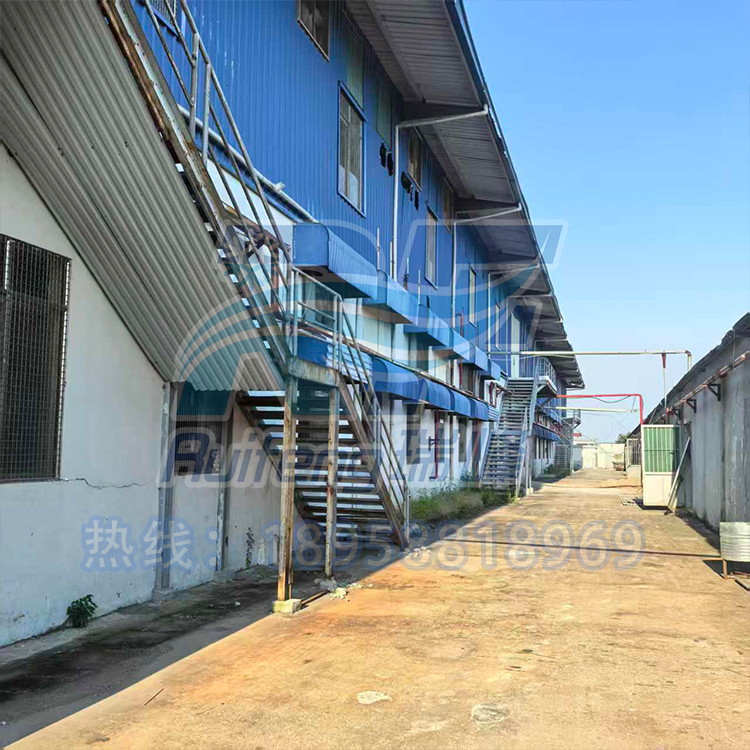
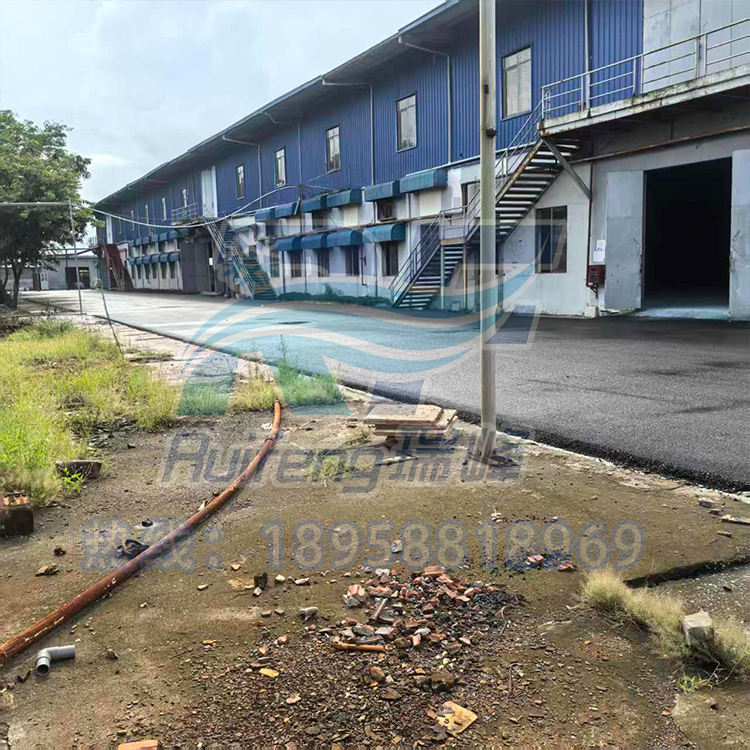
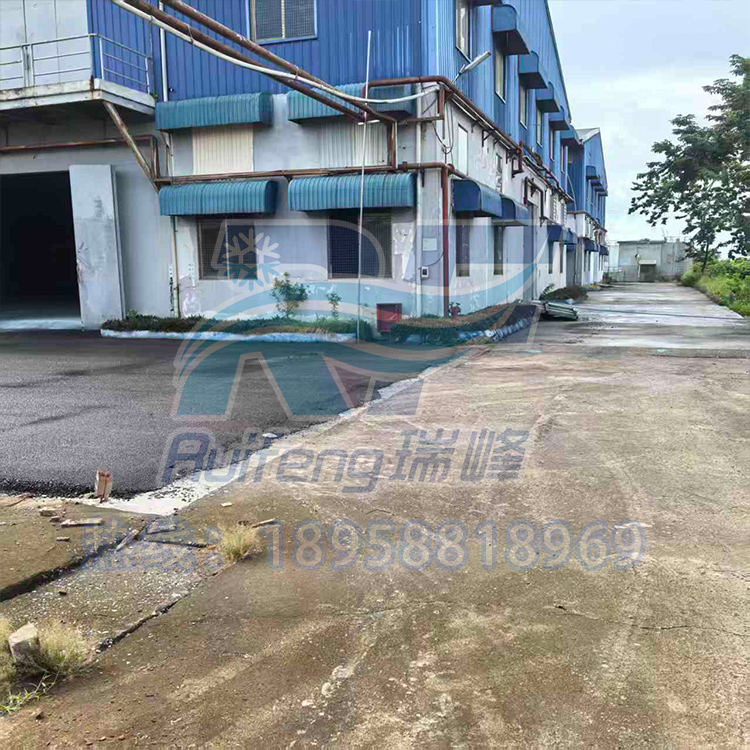
The workshop that requires ventilation and cooling renovation this time is made of color steel structure, with a roof made of color steel tiles and brick walls around, providing general sealing. The total area of the workshop is about 3,000 square meters, with a floor height of 10 meters. It houses four production lines and can accommodate nearly 300 assembly line workers for continuous operation.
The workshop is divided into various functional areas such as the cutting area, sewing area, molding line, lamination area, quality inspection area, and packaging area. Other job roles, including mold maintenance, raw material scheduling, and technical quality inspection, are distributed across the supporting workshops. In high-temperature environments, the combination of dense personnel and equipment heat dissipation leads to an unusually stuffy and hot workshop, which seriously affects employee well-being and corporate production efficiency.
3. Ruifeng's Customized Solutions
Our technical team has comprehensively considered the following key factors and conducted targeted design:
Geographical and climatic conditions: In response to the high temperature and humidity climate in Hanoi, strengthen the coordination between ventilation and evaporative cooling;
Structural characteristics of the factory building: Leveraging the height advantage to arrange air ducts, avoiding the occupation of ground production space;
Personnel and layout constraints: To avoid affecting the assembly line operation, we have abandoned the axial flow air cooler, which occupies a large area, and adopted ducted air supply for precise coverage of workstations;
Current local infrastructure situation: In response to the unstable power supply in some regions of Vietnam, low-power, high-efficiency evaporative air coolers are selected, paired with energy-saving fans and intelligent control systems, significantly reducing operational energy consumption.
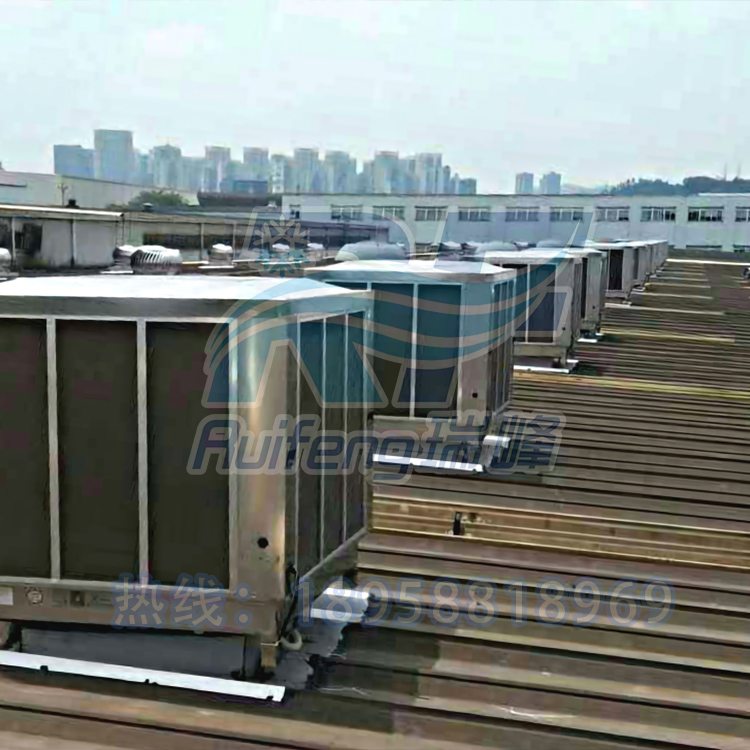
The final solution is determined as: distributed low-power evaporative air coolers + composite duct air supply system. According to the workstation distribution and heat load characteristics of each assembly line, each line is equipped with 4 devices, and a total of 16 air coolers are deployed across the four lines, achieving directional and uniform air supply to each position, ensuring that every worker can enjoy continuous cool airflow.
4. Implementation Effect and Value Enhancement
After the system was put into operation, the workshop working environment was significantly improved: the perceived temperature of workers decreased by 5-8℃, air circulation was enhanced, and the sense of stuffiness and odor were basically eliminated. Employee comfort increased, attention became more focused, production error rates decreased, and overall efficiency improved by about 15%-20%. The enterprise management reported that the employee turnover rate in summer decreased significantly, and production stability was guaranteed. The coordinated operation of 16 equipment not only formed a comfortable wind zone in local positions, but also promoted the overall air circulation in the workshop, achieving the unity of energy saving and high efficiency.
5. Project significance and regional radiation
Although this project is located in Vietnam, it reflects the prevalent demand for industrial development in Southeast Asia: the region is in an accelerated phase of industrialization, reminiscent of the early stages of China's reform and opening-up, with widespread gaps in infrastructure, environmental protection technology, and energy-saving equipment. As an important pillar of the global industrial system, China possesses significant advantages in technology, production capacity, and solutions. Rui Feng Environmental Refrigeration, leveraging its solid technology and cross-regional service capabilities, is continuously providing efficient and reliable industrial environmental solutions to Southeast Asia and even countries along the "Belt and Road", helping local industries achieve sustainable development and humanized upgrading.
More cases